A Historic Return to Gaddafi Stadium
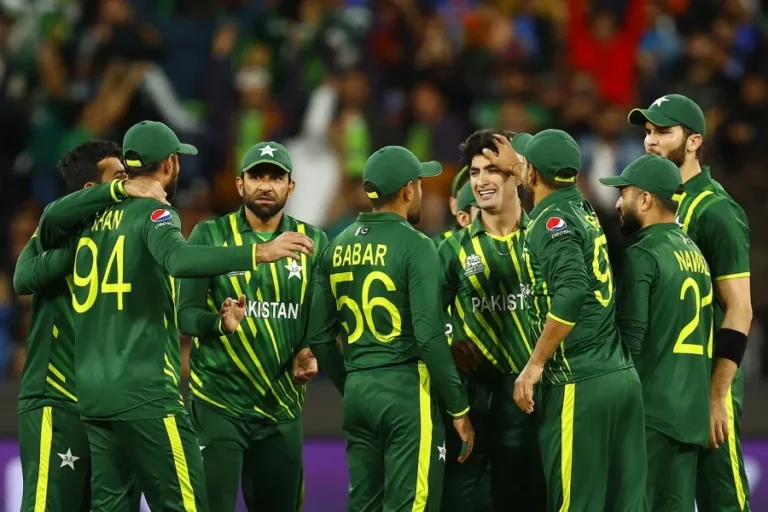
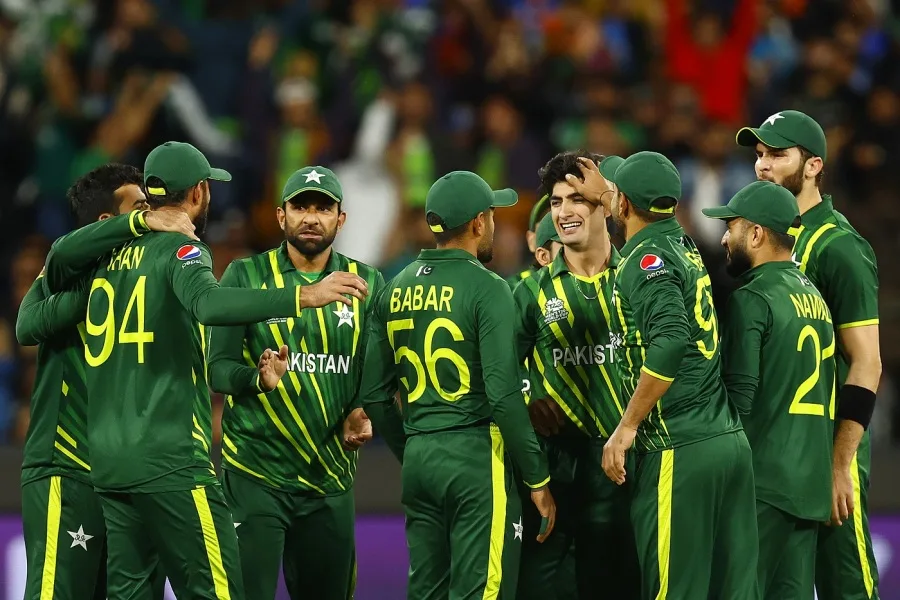
South Africa’s Test tour to Pakistan carries significance beyond World Test Championship (WTC) points. The series marks Test cricket’s landmark return to Lahore’s iconic Gaddafi Stadium, a venue steeped in history but sidelined from the international cricket for years due to security concerns. For Pakistan cricket, hosting this marquee series represents validation of improved security infrastructure and a step toward normalizing home Test cricket.
The Gaddafi Stadium atmosphere, with passionate local crowds and subcontinental intensity, will test South Africa’s adaptability and mental resilience. Lahore pitches typically offer initial seam movement before transitioning to spin-friendly surfaces as matches progress—a classic subcontinental pattern that rewards teams possessing diverse skills across pace and spin bowling.
WTC 2025-27 Stakes and Strategic Importance
As the opening series of the new WTC cycle, the Pakistan-South Africa contest establishes early points trajectories that could prove decisive in final standings. History shows WTC tables often separate by narrow margins, with single Test results determining final placings. Teams capturing away series early gain significant momentum while creating buffer against potential home setbacks later in the cycle.
For South Africa, subcontinental success has been elusive historically. Their pace-heavy attack traditionally excels in home conditions but struggles to penetrate on slow, turning Asian pitches. This series offers opportunities to demonstrate evolved strategies—improved spin options, batting techniques against quality spin, and tactical adaptability across changing pitch conditions.
Pakistan approaches the series with dual objectives: banking home points and establishing positive momentum under their new leadership structures. Their traditional strengths—explosive pace bowling and aggressive batting—must translate into sustained first-innings totals and patient wicket-taking in conditions that may not always favor pace.
Spin Matchups: The Decisive Battleground
Late in Lahore days, especially during the fourth and fifth days, spin bowling becomes paramount. Pakistan’s spin options, including experienced operators who understand local conditions intimately, should pose significant challenges to South African batsmen unaccustomed to extended spin pressure. South Africa’s ability to play spin positively—using feet, sweeping effectively, and rotating strike—will largely determine their series fortunes.
Conversely, South Africa’s spin attack must capitalize on any pitch assistance. They’ve invested in developing quality spinners specifically for subcontinental tours, recognizing that pace alone cannot win Tests in Asia. The battle between bat and spin will likely decide multiple innings, making sweep shot execution, pad-bat gaps, and rough-usage tactics critical technical focuses.
Reverse Swing: Pakistan’s Traditional Weapon
Pakistan’s pace attack has historically been among world cricket’s best at extracting reverse swing, particularly in Lahore’s abrasive conditions. As the Kookaburra ball ages past 30-40 overs, skilled fast bowlers who understand seam positioning and wrist angles can devastate batting lineups. South Africa’s batsmen must prepare for sustained reverse-swing spells, particularly during second innings when ball deterioration accelerates.
Countering reverse swing requires specific techniques—getting forward decisively to negate late movement, playing straight rather than across the line, and trusting defense rather than attempting ambitious strokes. South Africa’s top order, accustomed to facing high-pace bounce at home, must adjust to slower, skiddier deliveries that swing late and keep low.
First Innings Dominance: The Classic Test Template
Traditional Test wisdom emphasizes first innings runs. On subcontinental pitches that deteriorate progressively, setting or chasing fourth-innings targets above 250 becomes exponentially difficult as turn and variable bounce intensify. The team establishing first-innings dominance—whether through batting first and posting 400-plus totals or bowling opponents out cheaply—gains enormous strategic advantages.
Both teams must prioritize patience and discipline in first innings. Reckless shot selection or soft dismissals squander crucial opportunities to build winning totals. Conversely, bowling units must maintain disciplined lines and lengths despite subcontinental pitches often offering minimal assistance early on.
Calendar Positioning and Tournament Context
Launching WTC campaigns in October provides teams full two-year cycles to accumulate points, but early setbacks create pressure that builds across subsequent series. Teams starting slowly often find themselves needing away victories late in cycles just to reach finals—a difficult proposition given home advantages globally. Thus, while treating every Test equally important sounds ideal, practical reality suggests early series carry disproportionate psychological weight.
For both South Africa and Pakistan, positive starts would ease pressure, allow rotation and development of bench strength, and build confidence cascading through upcoming assignments. Conversely, series defeats would intensify scrutiny, limit experimental options, and create desperation scenarios where risk tolerance decreases.
Beyond Cricket: Diplomatic and Symbolic Dimensions
This series also carries diplomatic and symbolic significance. Test cricket’s return to Lahore signals international cricket community’s confidence in Pakistan’s security arrangements. Successful hosting without incident encourages future tours, helping Pakistan rebuild the home cricket environment lost over a decade of forced neutral-venue hosting. The cricket dimension matters, but broader context recognizes sport’s role in normalization and confidence-building.
For South Africa, touring Pakistan demonstrates solidarity and professional commitment to playing cricket across all conditions and locations. Their willingness to tour complex security environments reflects sport’s potential to transcend political and security concerns, maintaining connections even when governmental relations remain strained.
Conclusion
South Africa’s WTC 2025-27 opening series against Pakistan at Gaddafi Stadium encapsulates multiple narratives—championship points, historic venue return, subcontinental adaptability tests, and diplomatic symbolism. The cricket will be attritional, tactical, and likely decided by superior patience and skill execution under pressure. Spin bowling, reverse swing, first-innings discipline, and mental resilience will separate winners from losers across what promises to be a compelling Test series. Beyond results, the sight of international Test cricket thriving again in Lahore represents victory for the format itself, demonstrating that quality long-form cricket can overcome security concerns and venue limitations when properly managed. The WTC cycle’s first chapter begins here, with both teams understanding that foundation stones for potential finals appearances eighteen months hence are being laid across Lahore’s famous pitch, where tradition and modern championship cricket intersect in fascinating and significant ways.
About the Author