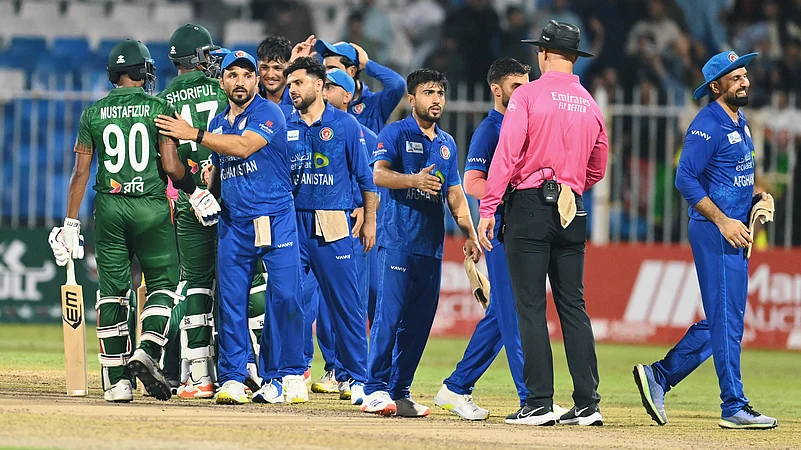
The 3-0 Domination in UAE
Afghanistan’s commanding 3-0 ODI series sweep over Bangladesh in the United Arab Emirates represents another milestone in their remarkable white-ball cricket evolution. What was once a team celebrated for individual brilliance and occasional upsets has transformed into a consistent, well-rounded outfit capable of dominating bilateral series and threatening established powers in multilateral tournaments.
The UAE, Afghanistan’s de facto home venue due to ongoing security challenges in their homeland, has become a fortress where their spin-pace combination thrives. The series against Bangladesh showcased Afghanistan’s core strengths—relentless spin pressure through middle overs, clever pace variations, and inventive lower-order hitting that stretches totals beyond opposition reach.
Spin Bowling: Afghanistan’s Defining Weapon
Afghanistan’s spin resources remain the envy of world cricket. Their production line of quality slow bowlers—featuring wrist-spinners, finger-spinners, and all-rounders who provide spin options—creates tactical flexibility that few teams match. Against Bangladesh, Afghanistan’s spinners constricted strike rotation, building pressure through dot balls and forcing batsmen into risky strokes that yielded wickets at crucial junctures.
The spin web operates through subtle variations—leg-spin googly combinations, off-spin drift and dip, and shrewd use of pace changes. Batsmen facing extended spin spells struggle to score freely, with boundary-hitting requiring high-risk shots against bowlers who rarely offer width or half-volleys. This cumulative pressure across overs 11-40 typically determines outcomes, with Bangladesh’s batsmen unable to break the shackles consistently.
Bangladesh’s Struggles: Powerplay and Death-Over Execution
Bangladesh competed in phases but revealed critical weaknesses that Afghanistan exploited ruthlessly. Their inability to convert starts into 300-plus totals stemmed from middle-order collapses and death-over scoring struggles. Against disciplined bowling and intelligent field placements, Bangladesh’s finishers lacked innovation and power to accelerate late-innings run rates beyond Afghanistan’s chase capabilities.
Powerplay bowling also proved problematic for Bangladesh. They struggled securing early breakthroughs, allowing Afghan openers to establish foundations that made chases manageable. In modern ODI cricket, teams failing in powerplay phases—whether batting or bowling—face uphill battles. Bangladesh’s powerplay inadequacies in both disciplines created deficits they couldn’t overcome despite competitive middle-overs performances.
Rankings and Confidence Implications
Series sweeps deliver significant ICC ranking points and confidence boosts that echo into future tournaments. Afghanistan’s rise up ODI rankings reflects consistent bilateral successes and improving performances in World Cups and Champions Trophies. Each victory against teams like Bangladesh validates their evolution from plucky underdogs to genuine contenders.
For Bangladesh, the whitewash inflicts ranking damage and raises uncomfortable questions about direction and personnel. They possess talent but lack the collective cohesion and tactical clarity that mark elite ODI sides. Rebuilding confidence after comprehensive defeats requires introspection, strategic adjustments, and perhaps personnel changes to inject fresh energy and approach.
Neutral Venue Advantage for Afghanistan
Playing in the UAE offers Afghanistan both advantages and challenges. Advantages include familiarity with conditions, spin-friendly pitches, and minimal travel disruption. However, true home advantage—passionate local crowds, deep familiarity with specific venues, and psychological comfort—remains unavailable due to Afghanistan’s inability to host international cricket domestically.
This unique situation has forced Afghanistan to develop adaptability and mental resilience. They’ve learned to treat neutral venues as quasi-homes while maintaining competitiveness anywhere. Such adaptability serves them well in World Cups and global tournaments typically hosted outside traditional cricketing strongholds.
Lower-Order Hitting: The X-Factor
Afghanistan’s lower order consistently produces match-changing contributions, extending totals by 30-50 runs that prove decisive. Players batting at positions 7-9 possess genuine hitting skills, willing to take risks and employing inventive strokeplay that catches opponents unprepared. This depth means Afghanistan rarely finishes innings passively—they attack until the final wicket falls, maximizing every opportunity.
Developing such depth requires specific training philosophies and cultural approaches that encourage lower-order batsmen to view themselves as capable hitters rather than mere tailenders. Afghanistan’s emphasis on all-round skills across their squad creates tactical flexibility and makes them dangerous even when top-order failures occur.
Path Forward: From Spoilers to Champions
Afghanistan’s next evolution involves transitioning from consistent bilateral winners and dangerous tournament outsiders to genuine championship contenders. This requires improved death bowling to defend totals against elite opponents, greater top-order consistency to avoid relying on middle-order rescues, and enhanced game-awareness in pressure situations where marginal decisions determine outcomes.
The talent exists—Afghanistan possess match-winners across all disciplines. The challenge involves channeling that talent into championship-winning performances when stakes are highest. Several near-misses in recent tournaments suggest they’re close to breakthrough victories that will establish them definitively among cricket’s elite nations.
Conclusion
Afghanistan’s 3-0 sweep of Bangladesh in the UAE represents more than a bilateral series victory—it’s confirmation of their sustained evolution into a formidable ODI outfit capable of dominating established teams systematically rather than through isolated upset performances. Their spin-based bowling attack, inventive batting approach, and tactical maturity make them genuine threats in any conditions. Bangladesh, meanwhile, faces a sobering evaluation of their ODI blueprint, needing to address powerplay vulnerabilities and middle-overs scoring rates that repeatedly undermine competitive totals. As Afghanistan continue rising through rankings and confidence levels, the traditional cricket hierarchy is being reshaped. Teams that once dismissed Afghanistan as minnows now approach matches with genuine respect and detailed preparation. This cultural shift—from novelty outsiders to respected competitors—represents Afghanistan cricket’s greatest achievement, built through consistent performances like this UAE sweep that demonstrate quality, depth, and tactical sophistication matching any nation in world cricket.
About the Author