The Unprecedented Trophy Dispute
The Asia Cup 2025 concluded with an extraordinary controversy that exposed deep fissures in India-Pakistan cricket relations. Following India’s victory in the Dubai final, the presentation ceremony descended into chaos when India refused to accept the trophy from Asian Cricket Council (ACC) president Mohsin Naqvi, who also serves as Pakistan’s Interior Minister. The trophy was subsequently locked away at ACC headquarters in Dubai rather than being presented to the victorious team.
This unprecedented situation reflects how sporting events between the subcontinental rivals have become militarized theatres where nationalism trumps sportsmanship. The Asia Cup 2025 featured handshake snubs, “gunshot” celebrations mimicking fighter jets, and proxy conflicts between cricket boards. What should have been a celebration of India’s tournament triumph devolved into diplomatic theater with the silverware as an orphaned prop.
The Backstory: Tensions Boiling Over
The controversy stems from long-standing political tensions between India and Pakistan, nations that have fought multiple wars and maintain deeply hostile relations. Since the 2008 Mumbai attacks attributed to Pakistan-based militants, the cricket teams have contested only one bilateral series, held in India in 2012. Their encounters now occur exclusively in multilateral tournaments, transforming each match into a high-stakes proxy for broader geopolitical rivalries.
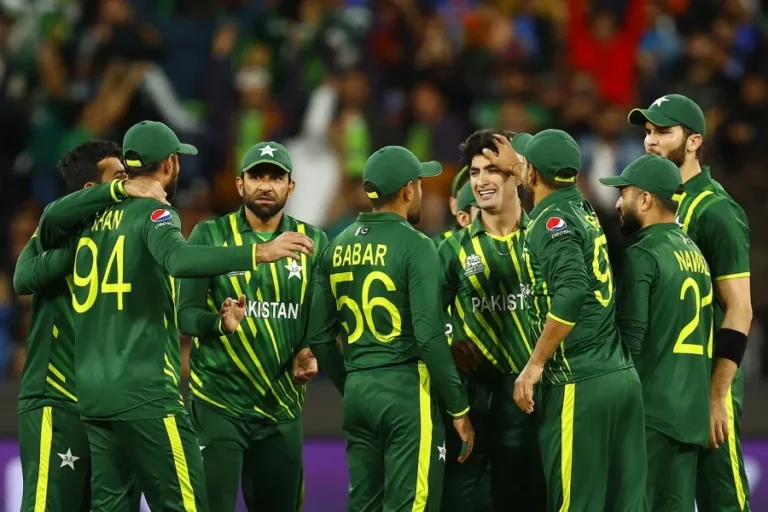
During the Asia Cup 2025, these tensions manifested openly on the field. Pakistani batter Sahibzada Farhan’s “gunshot” celebration during matches divided opinions and drew criticism for militaristic overtones. Players avoided traditional pre-match handshakes, and disputes involving match officials added to the combustible atmosphere. The tournament’s three India-Pakistan encounters were described as “rife with dramatic displays of nationalism” rather than pure sporting contests.
Mohsin Naqvi’s Role and the Presentation Fiasco
As ACC president and Pakistan’s Interior Minister, Mohsin Naqvi occupies a uniquely conflicted position. When India declined to accept the trophy from him during the presentation ceremony, Naqvi walked away with the silverware, creating the bizarre spectacle of champions without their prize. The trophy remains at ACC’s Dubai office, with no resolution in sight.
Naqvi has refused to apologize to the Board of Control for Cricket in India (BCCI) for his actions, rejecting reports of any apology at the ACC Annual General Meeting. Instead, sources indicate Naqvi may receive a gold medal in Pakistan for his “stand against India” in the trophy row. Former Pakistan cricketers Mohammad Yousuf and Basit Ali defended Naqvi’s position, while Indian critics including Harbhajan Singh condemned the ACC chief’s conduct.
Indian Team’s Response and Perspective
Indian players maintained relative restraint publicly, with spinner Varun Chakravarthy taking a subtle dig by noting “Cup chheen sakte hain” (they can snatch the cup) while emphasizing that the achievement itself cannot be taken away. Wicketkeeper Sanju Samson gave a positive spin to the situation, suggesting that performing well mattered more than ceremonial trophy presentations.
Chakravarthy’s tournament performance—seven wickets at the Asia Cup following nine scalps at the Champions Trophy—reinforced India’s on-field superiority regardless of off-field controversies. His ability to deliver in high-pressure matches demonstrated the team’s focus on controllable factors rather than political theater.
International Reaction and Broader Implications
International reactions were mixed. South African legend AB de Villiers faced criticism for suggesting India should have simply accepted the trophy to avoid controversy. His position—that sport should remain above politics—clashed with Indian sentiment that accepting the trophy from Naqvi would legitimize Pakistan’s political manipulation of cricket administration.
The controversy highlights cricket’s unique vulnerability to politicization in South Asia, where the sport carries symbolic weight far beyond entertainment or athletic achievement. Cricket matches become extensions of border disputes, with players conscripted as nationalist proxies whether they embrace such roles or not.
The Path Forward: Can Cricket Escape Politics?
The Asia Cup 2025 fiasco raises fundamental questions about cricket governance in the region. Should individuals holding political offices in rival nations be permitted to hold administrative positions in neutral cricket bodies like the ACC? How can tournaments maintain sporting integrity when every gesture carries political interpretation? Can India and Pakistan compete without turning each encounter into a surrogate battlefield?
These questions lack easy answers. The financial incentives for India-Pakistan cricket are enormous—broadcasters, sponsors, and fans globally crave these contests despite their toxic undertones. The ICC and ACC face pressure to schedule such matches while managing the inevitable controversies. Yet each tournament seems to deepen rather than bridge the divide, with the Asia Cup 2025 trophy dispute representing a new low.
Conclusion
The Asia Cup 2025 will be remembered not for India’s on-field triumph or quality cricket, but for the absurd spectacle of champions denied their trophy due to political machinations. The locked-away silverware in Dubai symbolizes how nationalism has hijacked sport, transforming athletic competition into geopolitical theater. Until cricket administrators establish clear boundaries separating sport from politics—including perhaps barring political officeholders from cricket governance—such controversies will recur. The real losers aren’t India or Pakistan, but cricket itself, diminished each time the game becomes a proxy for conflicts it cannot resolve. The trophy may eventually be delivered to India, but the damage to cricket’s reputation as a unifying force has already been done, adding another sad chapter to a rivalry that increasingly harms the sport both nations claim to love.
About the Author