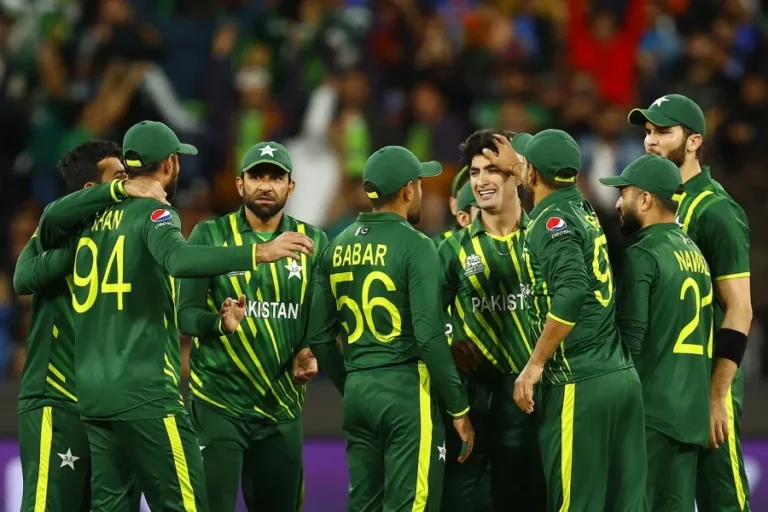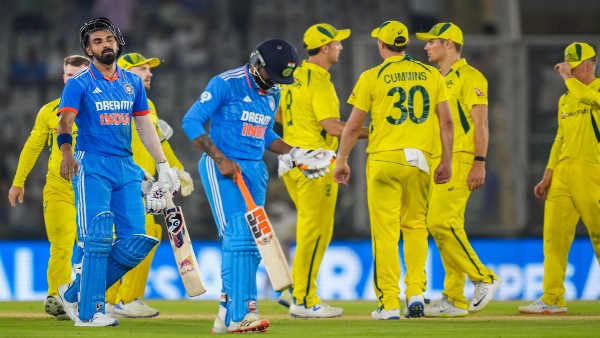
India’s white-ball tour of Australia begins with three ODIs followed by five T20Is, serving as high-intensity preparation ahead of the 2026 T20 World Cup cycle and broader squad transition plans. The series arrives amid intense discussion over the ODI roles of Virat Kohli and Rohit Sharma as India balances experience with regeneration.
Australia enter with Ashes considerations in the background and injury management shaping selections, including sidelined captain Pat Cummins and all-rounder Cameron Green for the opening stages. New faces and returning Test mainstays see the series as a springboard into the home summer, with Perth to Sydney Test dates already anchoring the calendar.
India’s chairman of selectors Ajit Agarkar has underlined that Rohit and Kohli are “not on trial” in ODIs, clarifying that their Test retirements were to open pathways in the new WTC cycle while maintaining ODI/T20 value. That stance allows the team to assess younger batters alongside two of India’s most successful white-ball players without the pressure of binary selection narratives.
Conclusion
India’s ODIs in Australia are less about verdicts on legends and more about calibrating combinations for 2026 while preserving a winning core, making the next two weeks a crucial experiment under top-tier pressure. Expect rotations, role clarity work, and matchup testing that keep India competitive now and better prepared for a demanding calendar.
South Africa have tightened their grip on a top-four position at the ICC Women’s Cricket World Cup 2025, overcoming weather disruptions and resilient opponents to sit near the summit as group play intensifies. ICC’s latest update emphasizes their controlled chases and bowling discipline as defining markers of their campaign so far.
In parallel, the tournament schedule continues to throw marquee clashes into the spotlight, with training and media availabilities underscoring the high-performance rhythm of the event. South Africa’s ability to manage interruptions and recalibrate targets under DLS has stood out in a rain-hit week.
Momentum matters in World Cups, and South Africa’s blend of top-order stability and penetrative bowling has consistently translated into scoreboard control and net run rate protection. The group table compression means one slip can be costly, but the trendline favors a clinical progression to the knockouts.
Conclusion
With strategic batting tempos and disciplined seam-spin coordination, South Africa look well-set to lock a semi-final berth if they maintain composure against mid-table challengers and keep sudden weather variables from flipping scripts. The next fixture window should confirm whether their surge culminates in a top-two finish or a nervy final-week dash.
About the Author